Peugeot 206 in japan with Afterburner rear lights
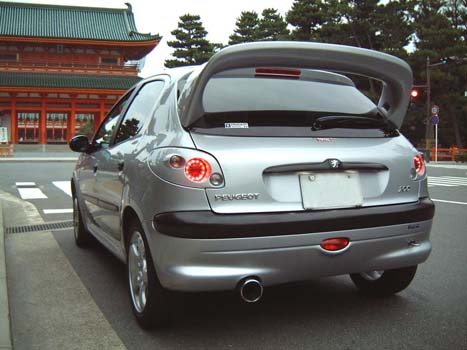
Afterburner-style rear lights fitted to a Peugeot 206 in Japan, blending tuning culture, aesthetics, and the international flavor of car modding.
The Peugeot 206, launched in 1998, quickly became one of Europe’s most stylish small hatchbacks. Its curvy, feline-inspired design gave it real road presence, especially in GTi and CC forms. But transplant it into Japan’s unique car culture, and things get even more interesting—especially when you throw in a set of Afterburner-style rear lights.
Afterburner lights——were a hallmark of Western early-2000s tuning, particularly in the UK and Europe. Fitting these to a 206 in Japan is a rare and bold aesthetic statement.
In a country known for its obsession with clean JDM lines, VIP luxury builds, and neon-glow tuner cars, a 206 rocking Afterburners immediately stands out. It becomes a European hatch with a flash of Euro tuning nostalgia, blending British Max Power flair with Japanese appreciation for quirky imports.
To Japanese car enthusiasts, a modified 206 is already a rare sight. Add in these lights, and it becomes a true curiosity at a Daikoku meet—oddball in the best way.
The 206’s bulbous, rounded rear makes it a surprisingly good canvas for Afterburners. The lights’ circular internals contrast nicely against the car’s organic shapes. Most aftermarket Afterburner kits for the 206 feature:
Dual or triple circular elements (brake/indicator/reverse)
Clear or smoked lens options
Chrome, black, or carbon-look backplates
If fitted cleanly with good alignment and decent-quality parts (e.g. FK Automotive or Sonar brands), they integrate well. However, cheap units may suffer from:
Japan has strict vehicle inspection standards (Shaken), and aftermarket lights must meet JDM lighting regulations regarding brightness, positioning, and reflectors. This means:
Lights must be E-marked or JIS-approved
Red reflectors must be present and functional
Rear fog lights may be required depending on the vehicle class
Without these, the 206 could fail inspection or attract attention from the police. Savvy owners might swap the lights back to stock for Shaken, or modify the aftermarket units to meet code (e.g., by adding stick-on reflectors or proper bulb housings).
While Afterburners fell out of favor in the West post-2005, in Japanese tuning circles, they still hold appeal—especially among those who embrace “Itasha” styling, Euro-inspired builds, or “weird and wonderful” imports. A French hatch with UK-style mods becomes something niche, expressive, and borderline collectible in certain enthusiast circles.
In Japanese car culture, the unique is often celebrated, and a Peugeot 206 Afterburner build might be found alongside a slammed Citroën, a wide-body Golf Mk4, or a Fiat Panda with Work wheels. The crossover appeal is strong.
| Category | Rating (out of 10) |
|---|---|
| Visual Impact | 10 (on the right car) |
| Cultural Uniqueness | 9 (in Japan) |
| Build Quality (varies) | 10 |
| Functionality/Legal Fit | 6 (depends on Shaken compliance) |
| Retro Tuning Appeal | 7.5 |
| “WTF Cool” Factor | 10 |
Afterburner rear lights on a Peugeot 206 in Japan are a bold, cross-cultural nod to early 2000s European tuning.